
Tech reviews techniques separate amateur opinions from professional analysis. Anyone can say a phone “feels fast” or a laptop “looks nice.” But skilled reviewers use specific methods to test, measure, and communicate their findings. These techniques help readers make informed purchasing decisions.
This guide breaks down the core tech reviews techniques that professionals use daily. From pre-testing research to benchmark analysis, each step builds toward credible, useful evaluations. Whether someone wants to start a review channel or simply understand how experts reach their conclusions, these methods provide a clear framework.
Table of Contents
ToggleKey Takeaways
- Effective tech reviews techniques start with thorough research, including studying specifications, understanding market positioning, and comparing previous generations.
- Daily driver testing reveals real-world issues that short demo sessions miss, making it essential for credible evaluations.
- Standardized benchmarks like Geekbench and 3DMark provide objective performance data, but should be paired with practical real-world tests for meaningful insights.
- Professional tech reviews techniques balance measurable data with subjective experience while acknowledging personal preferences and different use cases.
- Clear communication transforms technical findings into actionable advice—use comparisons, logical structure, and evidence to support every claim.
- Always consider long-term factors like software update support and build quality, not just first impressions.
Research Before You Test
Good tech reviews techniques start before anyone touches a device. Research creates context for every test that follows.
Study the Specifications
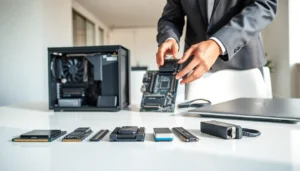
Manufacturers publish detailed spec sheets for a reason. Reviewers should know the processor, RAM, storage options, display resolution, and battery capacity before powering on any device. This information sets expectations and identifies claims worth testing.
For example, a smartphone maker might advertise “all-day battery life.” A prepared reviewer knows the exact milliamp-hour rating and can compare it against competitors. They also know what screen brightness and refresh rate settings affect that claim.
Understand the Market Position
Every gadget competes against something. A $300 phone doesn’t compete with a $1,200 flagship, it competes with other $300 phones. Effective tech reviews techniques account for this positioning.
Reviewers should identify two or three direct competitors before testing begins. This comparison framework makes evaluation more useful for readers. A budget tablet might have “poor” speakers compared to a premium model, but “excellent” speakers in its actual price bracket.
Check Previous Generations
If a device has a predecessor, reviewers benefit from understanding what changed. Did the company fix last year’s complaints? Did they remove popular features? This historical context adds depth to any evaluation.
Many professional reviewers keep databases of previous test results. They reference these records when assessing whether a new model represents genuine improvement.
Hands-On Testing Methods
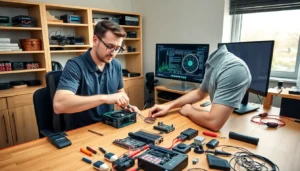
Specifications tell part of the story. Hands-on testing reveals the rest. Strong tech reviews techniques combine structured tests with real-world usage.
Daily Driver Testing
The most valuable testing method involves using a device as a primary tool for several days. Reviewers replace their personal phone, laptop, or headphones with the test unit. This approach reveals issues that short demo sessions miss.
A camera might perform well in controlled conditions but struggle with moving subjects in varied lighting. A keyboard might feel comfortable for ten minutes but cause fatigue after hours of typing. Daily driver testing catches these problems.
Controlled Environment Tests
Some tech reviews techniques require consistent conditions. Camera reviewers photograph the same scenes with different devices. Audio reviewers test headphones in quiet rooms with calibrated equipment. Display reviewers measure color accuracy under controlled lighting.
These standardized tests allow direct comparisons between products. A reviewer can confidently state that Phone A captures 15% more detail than Phone B in low light because both phones photographed identical scenes.
Stress Testing
Gadgets should perform under pressure. Reviewers push devices to their limits through extended gaming sessions, large file transfers, and multi-app workloads. These tests reveal thermal throttling, memory management issues, and stability problems.
A laptop might handle spreadsheets easily but struggle when running video editing software for an hour. Stress testing exposes these limitations before readers discover them.
Benchmarking and Performance Metrics
Numbers add credibility to subjective impressions. Benchmarking represents one of the most important tech reviews techniques for establishing objective performance measures.
Standard Benchmark Suites
Industry-standard benchmarks allow comparisons across different reviews. Geekbench measures processor performance. 3DMark tests graphics capabilities. CrystalDiskMark evaluates storage speeds. These tools produce scores that readers can compare against other devices.
Reviewers should run benchmarks multiple times and report averages. Single runs can produce outliers. Three to five runs provide more reliable data.
Real-World Performance Tests
Benchmarks don’t always reflect actual usage. Tech reviews techniques should include practical performance measurements. How long does a phone take to export a 4K video? How many browser tabs can a laptop handle before slowing down?
These real-world tests translate abstract scores into meaningful information. A reader might not understand Geekbench scores, but they understand that Laptop A exports video twice as fast as Laptop B.
Battery Life Measurement
Battery testing requires consistency. Professional reviewers use standardized tests: screen-on time at specific brightness levels, video playback loops, or simulated usage patterns. They record exact conditions so readers understand the context.
Claiming “great battery life” means nothing. Stating “12 hours of video playback at 50% brightness” gives readers useful information. Precise tech reviews techniques turn vague impressions into actionable data.
Balancing Objectivity With User Experience
Data matters, but so do feelings. The best tech reviews techniques blend measurable results with subjective experience.
Acknowledge Personal Preferences
Every reviewer brings biases. Some prefer iOS over Android. Others prioritize camera quality over processing power. Honest reviewers acknowledge these preferences and explain how they might affect their assessment.
A reviewer who values compact phones might criticize a large device that other users love. Transparency about preferences helps readers calibrate the review against their own priorities.
Consider Different Use Cases
A device that fails for one user might excel for another. Gaming phones sacrifice battery life for performance. Productivity tablets prioritize multitasking over media consumption. Effective tech reviews techniques address multiple use cases rather than declaring universal verdicts.
Reviewers should ask: Who would benefit most from this device? Who should avoid it? These questions produce more useful conclusions than simple “buy” or “skip” recommendations.
Weight Long-Term Factors
First impressions fade. Software updates can improve or degrade performance over time. Build quality affects durability. Tech reviews techniques should consider factors beyond the initial unboxing experience.
A phone with promised software updates for five years offers different value than one abandoned after two years. Reviewers serve readers by highlighting these long-term considerations.
Communicating Your Findings Effectively
Testing means nothing without clear communication. Tech reviews techniques extend to how reviewers present their conclusions.
Structure Information Logically
Readers have different needs. Some want quick verdicts. Others want deep analysis. Effective reviews accommodate both through clear organization: summary at the top, details below, specifications in sidebars or appendices.
Headings help readers find relevant sections. A photographer skips to the camera section. A gamer jumps to performance benchmarks. Good structure respects reader time.
Use Comparisons and Context
Raw numbers confuse casual readers. “850 nits of peak brightness” means nothing to most people. “Brighter than last year’s model and visible in direct sunlight” communicates the same information more effectively.
Tech reviews techniques should translate technical specifications into practical benefits. Readers care about outcomes, not inputs.
Support Claims With Evidence
Every major claim needs backing. Sample photos demonstrate camera quality. Screen recordings show software performance. Charts display benchmark comparisons. Evidence builds credibility and helps readers verify conclusions independently.
Professional reviewers include enough supporting material that skeptical readers can form their own opinions.