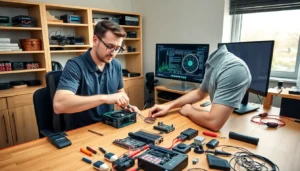

Tech reviews vs hands-on experience, it’s a debate every gadget buyer faces. Should someone trust the expert who tested fifty smartphones, or their own ten minutes in a store? Both approaches have merit, and both have blind spots.
The average consumer now reads at least three reviews before purchasing electronics. Yet many still feel buyer’s remorse. Why? Because reviews and personal testing serve different purposes. They answer different questions about a product.
This article breaks down what tech reviews actually provide, why hands-on experience matters, and how to combine both for smarter purchases. By the end, readers will know exactly when to trust the experts and when to trust themselves.
Table of Contents
ToggleKey Takeaways
- Tech reviews provide objective measurements, benchmark comparisons, and expert context that casual testing can’t replicate.
- Hands-on experience reveals personal dealbreakers like ergonomics, comfort, and workflow compatibility that reviews often miss.
- Reviewers typically test devices for one to two weeks, making long-term reliability predictions difficult.
- Start with tech reviews to narrow your options, then test finalists in person before making a final decision.
- For purchases over $500 or products with long replacement cycles, combining both tech reviews and hands-on testing leads to smarter buying decisions.
- Video reviews showing real-world usage help bridge the gap when in-store testing isn’t possible.
What Tech Reviews Actually Tell You
Tech reviews provide structured analysis from people who test products professionally. A good reviewer measures battery life under controlled conditions, runs benchmark tests, and compares specs across competing devices. They catch things casual users miss, like thermal throttling during extended gaming sessions or color accuracy issues on displays.
Reviewers also bring context. They’ve used the previous model, tested competitors, and understand where a product sits in the market. When a tech reviewer says a phone’s camera is “good for the price,” they’re drawing on hundreds of comparisons.
But, tech reviews have limitations. Most reviewers test devices for one to two weeks. They can’t predict how a laptop’s keyboard will feel after six months of daily use. They don’t know if the software updates will improve or degrade performance over time.
There’s also the subjectivity factor. A reviewer might prioritize raw performance while a buyer cares more about comfort. Someone who types ten hours daily needs different keyboard feedback than someone who mostly browses the web.
Tech reviews excel at objective measurements: screen brightness, processor speed, port selection, build quality. They struggle with personal fit, how a device actually works in someone’s specific life.
The Value of Hands-On Experience
Hands-on experience answers questions no review can. Does this phone feel good in your hand? Can you reach all the buttons comfortably? Does the laptop’s fan noise bother you specifically?
Personal testing reveals individual dealbreakers. One person might not notice a phone’s weight: another finds it uncomfortable after thirty minutes. A reviewer might praise a tablet’s speakers, but someone sensitive to tinny audio will hate them immediately.
Hands-on time also tests real workflows. A photographer can import actual RAW files to see processing speed. A musician can test latency with their specific audio interface. These personal use cases rarely appear in tech reviews.
The downside? Hands-on experience in stores is limited. Demo units often run different software. Battery life can’t be tested in fifteen minutes. And the store environment, bright lights, background noise, masks some issues while exaggerating others.
There’s also confirmation bias. Someone excited about a purchase might overlook flaws they’d notice with more time. The opposite happens too: minor annoyances feel bigger when someone actively looks for reasons to reject a product.
Hands-on experience shines for ergonomics, interface preferences, and personal comfort. It falls short for long-term reliability and performance consistency.
Key Differences Between Reviews and Personal Testing
Tech reviews and hands-on experience differ in several important ways:
Time Investment
Reviewers spend days or weeks with products. Store visits last minutes. This gap matters for battery tests, software stability, and build quality assessment. Tech reviews win on depth: personal testing wins on immediate gut reactions.
Objectivity vs Subjectivity
Reviews aim for objectivity. They measure, compare, and quantify. Personal testing is inherently subjective, and that’s the point. A benchmark score doesn’t tell someone if they’ll enjoy using a device.
Expertise Level
Most reviewers understand technology deeply. They notice details casual users miss. But expertise can also create blind spots. A reviewer might dismiss a “minor” software quirk that frustrates everyday users constantly.
Use Case Matching
Tech reviews cover general use cases. Personal testing covers specific ones. If someone’s workflow is unusual, running specialized software, connecting particular accessories, hands-on testing provides more relevant data.
Long-Term Perspective
Reviews rarely update after publication. They capture a product at launch. Personal experience, especially return policies and trial periods, lets buyers assess products over time. Some issues only appear after weeks of use.
Neither approach is complete alone. Tech reviews provide the foundation: hands-on experience adds the personal layer.
When to Rely on Reviews vs Your Own Research
Knowing when to trust tech reviews versus personal testing saves time and prevents bad purchases.
Trust Reviews For:
- Objective specifications and measurements
- Comparisons with competing products
- Hidden flaws that aren’t obvious in quick tests
- Long-term durability insights from extended testing
- Value assessments relative to the market
Trust Hands-On Experience For:
- Ergonomics and physical comfort
- Interface preferences and ease of use
- Specific workflow compatibility
- Audio quality (highly personal)
- Display appearance to your eyes specifically
Combine Both When:
- Making expensive purchases over $500
- Buying products with long replacement cycles (laptops, TVs)
- Switching ecosystems (iOS to Android, Windows to Mac)
- Purchasing for specialized professional use
The smartest approach? Start with tech reviews to narrow options. Read at least three reviews from different sources to catch biases. Then test finalists in person. Many retailers offer extended return windows, use them.
For online-only purchases, video reviews showing real usage help bridge the gap. Watching someone type on a keyboard or hold a phone provides more information than written descriptions alone.
Tech reviews handle the “what” and “how much.” Personal experience handles the “does this work for me.” Both questions matter.