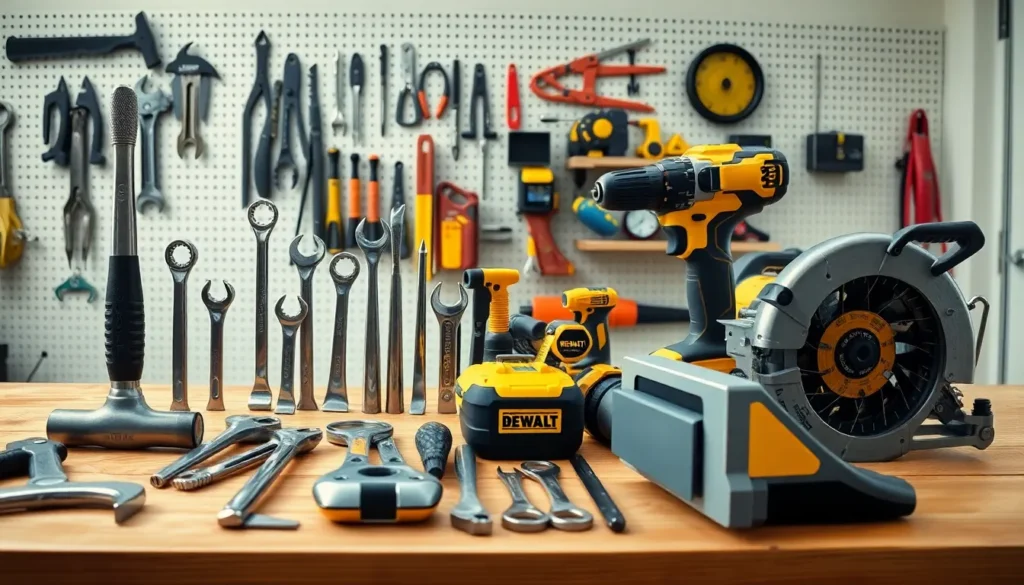

Hardware tools form the backbone of any successful project, whether it’s a quick home repair or a major construction job. The right equipment makes work faster, safer, and more precise. This guide covers the essential hardware tools every person should own. Readers will learn how to select quality equipment, maintain their tools properly, and use them safely. From basic hand tools to advanced power equipment, understanding hardware tools helps people complete projects with confidence and skill.
Table of Contents
ToggleKey Takeaways
- A complete toolkit should include essential hardware tools like hammers, screwdrivers, pliers, wrenches, and a tape measure for everyday repairs.
- Power tools such as cordless drills and circular saws save time on larger projects and handle tasks that hand tools can’t manage efficiently.
- Prioritize quality over price when buying hardware tools, as mid-range options from reputable brands offer the best long-term value.
- Regular maintenance—cleaning, oiling, and proper storage—extends the life of your hardware tools and keeps them performing at their best.
- Always wear safety glasses and hearing protection when using power tools to prevent serious injuries.
- Stick with one battery platform for cordless tools to save money by sharing batteries across multiple devices.
Types of Hardware Tools Every Toolkit Needs
A well-stocked toolkit contains both hand tools and power tools. Each category serves different purposes and project requirements. Understanding these hardware tools helps users build a collection that handles most common tasks.
Hand Tools for Basic Tasks
Hand tools require no electricity or batteries. They offer control and precision for smaller jobs. Every toolkit should include these essential hardware tools:
- Hammers: A 16-ounce claw hammer drives nails and removes them. This single tool handles most household tasks.
- Screwdrivers: A set with Phillips and flathead options covers standard screw types. Quality screwdrivers last for decades.
- Pliers: Needle-nose and slip-joint pliers grip, twist, and cut various materials. They’re indispensable for electrical work and general repairs.
- Wrenches: Adjustable wrenches and a socket set handle nuts and bolts of different sizes.
- Tape Measure: A 25-foot tape measure works for most home projects. Accurate measurements prevent costly mistakes.
- Level: A spirit level ensures shelves hang straight and structures stay plumb.
- Utility Knife: This tool cuts cardboard, drywall, rope, and other materials quickly.
Hand tools require minimal maintenance and rarely break. They also give users a better feel for their work, which matters when precision counts.
Power Tools for Advanced Projects
Power tools speed up larger jobs and handle tasks that hand tools can’t manage efficiently. These hardware tools use electricity or batteries to multiply force and save time:
- Cordless Drill: This is the most versatile power tool. It drills holes and drives screws in wood, metal, and plastic. Battery-powered models offer freedom of movement.
- Circular Saw: For cutting lumber and sheet materials, a circular saw works faster than any hand saw. It makes straight cuts through thick wood.
- Jigsaw: This tool cuts curves and irregular shapes. It’s perfect for custom projects and creative work.
- Orbital Sander: Sanding by hand takes hours. An orbital sander finishes wood surfaces in minutes.
- Impact Driver: When fastening requires more torque, an impact driver outperforms a standard drill. It’s excellent for deck building and heavy construction.
- Reciprocating Saw: Demolition work demands this tool. It cuts through walls, pipes, and old framing quickly.
Power tools cost more than hand tools, but they pay for themselves on larger projects. Many manufacturers sell combo kits that include multiple tools with shared batteries.
How to Choose the Right Hardware Tools
Buying hardware tools requires careful consideration. Poor choices lead to wasted money and frustrating work experiences. These factors help buyers make smart decisions:
Quality Over Price
Cheap hardware tools often fail during use. They bend, break, or lose precision quickly. Mid-range tools from reputable brands offer the best value for most users. Professional-grade equipment costs more but handles heavy use without problems.
Project Requirements
The specific job determines which hardware tools a person needs. Someone building a deck requires different equipment than someone hanging picture frames. Buyers should list their planned projects before shopping.
Ergonomics Matter
Tools that feel comfortable reduce fatigue and prevent injury. Handles should fit the user’s grip naturally. Weight matters too, heavier tools tire arms faster.
Warranty and Support
Good manufacturers stand behind their hardware tools with warranties. Some brands offer lifetime guarantees on hand tools. Power tool warranties typically range from one to five years.
Compatibility
For cordless power tools, sticking with one battery platform saves money. Users can share batteries between tools from the same brand. This approach reduces overall equipment costs.
Read Reviews
Online reviews from actual users reveal problems that product descriptions hide. Look for patterns in complaints, one bad review means little, but repeated issues signal real problems.
Start with essential hardware tools and expand the collection over time. Buying everything at once strains budgets and often results in unused equipment.
Proper Maintenance and Safety Tips
Hardware tools last longer and work better with regular care. Safety practices prevent injuries that sideline projects and cause lasting harm.
Maintenance Basics
- Clean tools after each use. Dirt and debris cause rust and mechanical problems.
- Store hardware tools in dry locations. Moisture damages metal parts and electrical components.
- Oil moving parts periodically. Hinges, gears, and blades need lubrication.
- Sharpen cutting edges regularly. Dull blades require more force and produce poor results.
- Check power cords for damage. Frayed wires create fire and shock hazards.
- Replace worn parts before they fail completely. New saw blades and drill bits work better and safer.
Safety Practices
Every year, thousands of people suffer injuries from hardware tools. Simple precautions prevent most accidents:
- Wear safety glasses during cutting, drilling, and hammering. Eye injuries happen fast.
- Use hearing protection with loud power tools. Prolonged exposure causes permanent hearing loss.
- Keep work areas clean and well-lit. Clutter causes trips and falls.
- Disconnect power tools before changing blades or bits. This prevents accidental starts.
- Never disable safety guards. Manufacturers install them for good reasons.
- Learn proper technique before using unfamiliar hardware tools. Instruction manuals and online videos teach correct methods.
- Work at a comfortable pace. Rushing causes mistakes and accidents.
Children should stay away from power tools entirely. Even hand tools can cause serious injuries without proper supervision.
Proper storage also extends tool life. Toolboxes, pegboards, and wall-mounted racks keep hardware tools organized and accessible. This organization saves time on every project.